

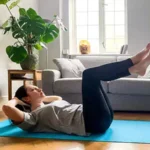






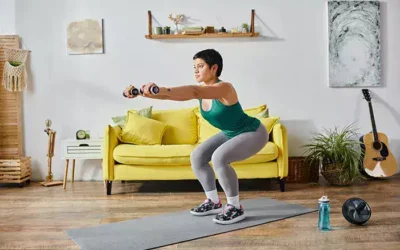
Safe Fitness Routine for Seniors to Stay Strong Active Daily
Routine for seniors. As we age, staying active becomes more important than ever—but also more challenging. Energy levels may fluctuate, joints may feel stiff, and the fear of injury can make exercise seem risky.
However, avoiding movement is not the solution. In fact, regular, gentle exercise is one of the most effective ways to maintain strength, balance, and independence as you grow older.
The key is not intensity—it is safety, consistency, and simplicity.
This guide will show you how to build a safe and effective fitness routine designed specifically for seniors, helping you stay active, improve your energy, and protect your body for the long term.
Why Fitness Is Essential for Seniors
Many people believe that slowing down is a natural part of aging. While some changes are inevitable, losing strength and mobility too quickly is not.
Regular movement helps:
- Maintain muscle strength
- Improve balance and coordination
- Support joint flexibility
- Increase daily energy
- Reduce risk of falls
Staying active is not about looking younger—it is about living better.
Principles of Safe Exercise for Older Adults
Before starting any routine, it is important to follow a few key principles:
1. Start Slowly
Your body needs time to adapt. Begin with short sessions and low intensity.
2. Avoid Pain
Exercise should never cause pain. Discomfort is a signal to adjust.
3. Focus on Stability
Balance and coordination are just as important as strength.
4. Be Consistent
Small daily routines are more effective than occasional intense workouts.
Best Safe Exercises for Seniors
These exercises are designed to be gentle, effective, and easy to perform at home.
1. Chair Sit-to-Stand
Sit on a chair and slowly stand up, then sit down again. This strengthens your legs and improves mobility.
2. Wall Push-Ups
Stand facing a wall and push against it. This builds upper body strength safely.
3. Heel Raises
Hold onto a chair and slowly lift your heels. This improves balance and strengthens your lower legs.
4. Marching in Place
Lift your knees gently while standing or holding support. This improves circulation and coordination.
5. Gentle Stretching
Stretch your arms, neck, and legs slowly to reduce stiffness.
A Simple Daily Routine for Seniors
You can complete this routine in 10–15 minutes:
- 3 minutes: gentle stretching
- 4 minutes: chair sit-to-stand and heel raises
- 4 minutes: marching in place
- 2–3 minutes: breathing and relaxation
This routine is easy to follow and can be adjusted based on your comfort level.
How to Improve Balance and Prevent Falls
Balance is one of the most important aspects of fitness for seniors.
To improve balance:
- Stand on one foot while holding a chair
- Walk slowly and with control
- Practice shifting your weight from one side to another
Even small balance exercises can significantly reduce the risk of falls.
Listening to Your Body
Your body provides valuable signals.
Pay attention to:
- Fatigue
- Dizziness
- Joint discomfort
If something does not feel right, stop and rest. There is no benefit in pushing beyond your limits.
Common Mistakes to Avoid
Many seniors make these mistakes when starting fitness:
- Doing too much too quickly
- Skipping warm-up and stretching
- Ignoring balance exercises
- Being inconsistent
Avoiding these mistakes will help you build a safe and sustainable routine.
Emotional and Mental Benefits
Exercise is not only physical—it also supports mental well-being.
Regular movement can:
- Improve mood
- Reduce stress
- Increase confidence
- Enhance mental clarity
Staying active helps you feel more in control of your life.
How to Stay Motivated
Motivation can be challenging, but consistency is what truly matters.
To stay motivated:
- Set small, realistic goals
- Exercise at the same time each day
- Track your progress
- Celebrate small improvements
Remember, every small step counts.
Long-Term Benefits of Staying Active
With regular exercise, you may experience:
- Greater independence
- Better mobility
- Reduced risk of falls
- Improved quality of life
- Increased confidence in daily activities
These benefits make a significant difference as you age.
Conclusion
Staying active as a senior is not about pushing your limits—it is about protecting your independence, maintaining your strength, and improving your quality of life.
A simple, safe, and consistent fitness routine can help you move better, feel better, and live with more confidence every day.
You do not need intense workouts or complicated programs. You only need small, consistent actions that support your body over time.
Start where you are, move at your own pace, and stay consistent.
Your future health depends on what you do today—and even the smallest movement can make a powerful difference.
- Safe Fitness Routine for Seniors to Stay Strong Active Daily

- Easy Exercises to Stay Active on Low Energy Days at Home Now
- Best Low Impact Exercises to Build Strength and Energy Daily
- Simple Daily Fitness Routine at Home Without Equipment Today
- Why Your Energy Feels Unstable Throughout the Day and How to Fix It
- Why You Feel Drained After Social Interaction Without Knowing Why
- Why You Wake Up Tired Even After Sleeping Enough Hours
- Why Your Body Feels Heavy and Slow Without Any Clear Reason
Read More


Leave a comment.
0 Comments